For humans, eating is a basic need, but how we eat varies from culture to culture. In many countries, people commonly use utensils like spoons, forks, and knives. Meanwhile, in other traditions, eating with one’s hands is a long-respected practice. Yet today, some still perceive eating with hands as “unclean,” simply because our hands are involved in many activities throughout the day. But is that belief truly accurate?
The Surprising Health Benefits of Eating With Clean Hands
Eating with our hands allows the brain to better connect with the food we consume from texture to temperature, which can support digestion and mindfulness during meals. Our fingertips also contain nerve endings that help signal our stomach that food is coming, aiding digestion naturally.

Some studies suggest that eating with hands encourages slower, more intentional eating habits, helping prevent overeating and supporting better metabolism. Clean hands are perfectly capable of delivering safe and nurturing meals, just like utensils do.
A Unique Sensory Experience
There is also a simple joy in eating with our hands, the warmth of fresh foods, the softness of rice, or the crisp texture of vegetables. It brings a deeper sensory connection to the meal, making the experience feel more alive, personal, and satisfying.
A Tradition Worth Appreciating
Whether using utensils or hands, the most important thing is respect for cultural practices and clean eating habits. Eating with our hands is not a sign of poor manners; it is a gesture rooted in history, health, spirituality, and sensory pleasure.
So the next time you enjoy a meal with your hands, embrace the moment; it might just help you feel more grounded, mindful, and connected to the world around you.
Ready to Experience It Yourself?

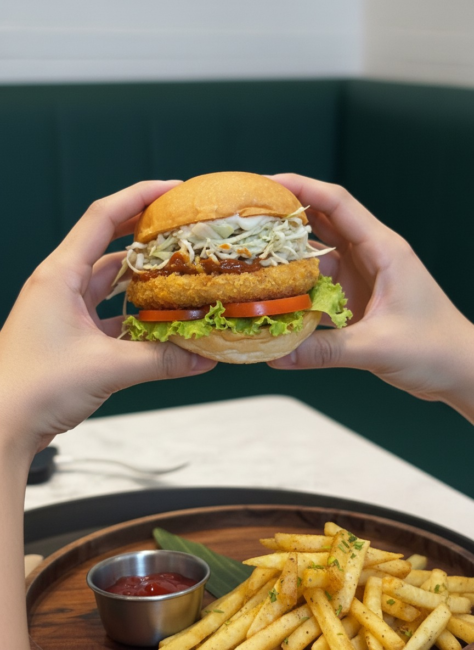
At Saucetree, you can enjoy burgers and wraps the way they’re meant to be — with your hands!
Feel every bite, every texture, and every burst of flavor. Taste the difference when your senses join the experience.